Your Sleep Goddess Archetype™ is:
Athena

1. Gradually Adjust Your Sleep Schedule
- Shift your bedtime slowly: Try going to bed 15-30 minutes earlier each night until you reach your desired bedtime. A sudden change can make it harder to adjust.
- Wake up earlier: Set an alarm to wake up earlier each day, even on weekends, to reset your internal clock gradually.

2. Create a Relaxing Pre-Sleep Routine
- Wind down before bed: About 30-60 minutes before sleep, engage in calming activities, such as reading a book, practicing relaxation exercises, or meditating.
- Avoid stimulating activities: Stay away from vigorous exercise, stressful work, or intense conversations right before bed.
- Limit screen time: The blue light from phones, computers, and TVs can interfere with melatonin production, making it harder to fall asleep. Try to avoid screens for at least an hour before bed.

3. Expose Yourself to Natural Light
- Morning sunlight: Exposure to natural light early in the day helps regulate your circadian rhythm and signals your body to wake up. Try to get outside for at least 20-30 minutes in the morning.
- Limit artificial light at night: In the evening, dim your lights to signal to your body that it's time to wind down.

4. Stay Active During the Day
- Exercise regularly: Physical activity during the day can help you feel tired at night. However, avoid vigorous exercise too close to bedtime, as it can be energizing.
- Move your body: If you're feeling awake late at night, try some light stretching or yoga to help relax your body.

5. Consider Melatonin Supplements (with Caution)
- Melatonin supplements: If you're struggling to adjust your sleep schedule, melatonin might help you fall asleep at a new time. However, it's best to consult a sleep specialist before using it, especially for long-term use. Melatonin is a clock starter and contrary to how it is sold it should not be used at bedtime or in high doses for adjusting a sleep schedule.
- Natural sources of melatonin: Certain foods, like cherries, grapes, or walnuts, contain melatonin and may help promote sleep.

6. Limit Naps
- Avoid long naps: If you need a nap, try to limit it to 20-30 minutes earlier in the day, as napping too long or too late can interfere with your nighttime sleep.
- Don’t nap if it prevents you from adjusting: If you’re trying to shift your sleep schedule, skipping naps will help your body get tired enough to fall asleep later.

Dr. Andrea Matsumura

Sleep Resources
Pause Sleep Support Supplement
Clinically formulated to promote circadian balance, calm the nervous system, and deepen restorative sleep.

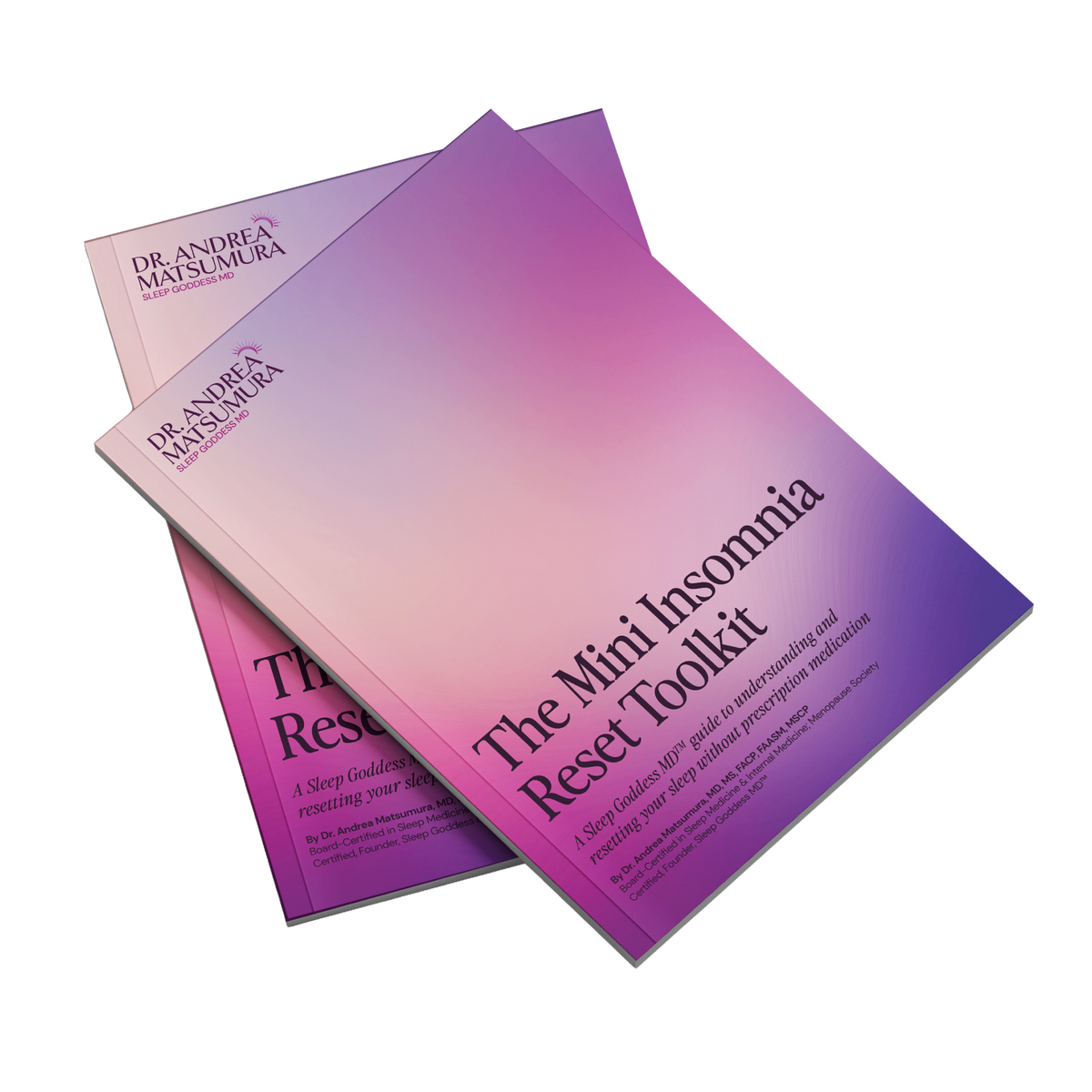
The Mini Insomnia Reset Toolkit
Clinically grounded tools to break insomnia’s cycle and rebuild restorative sleep.